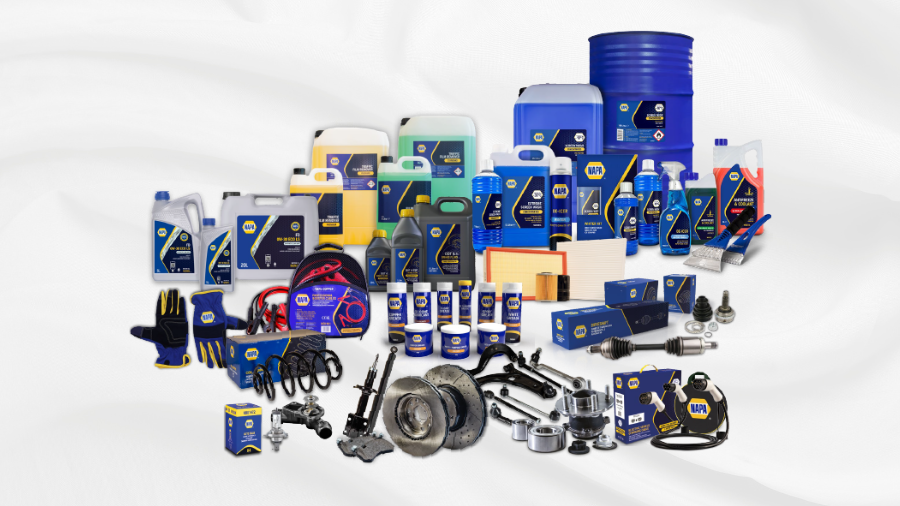
When I popped the hood of my trusty sedan last weekend, I realized how easy it is to overlook something as fundamental as motor oil. Yet this golden liquid is literally the lifeblood of our vehicles! According to automotive maintenance statistics, using the wrong motor oil can reduce engine life by up to 30% – a sobering thought for any vehicle owner. Napa Online offers a comprehensive range of motor oils designed to meet specific engine needs, driving conditions, and vehicle ages. From cutting-edge synthetic formulations to reliable conventional options, their lineup addresses virtually every automotive lubrication requirement. Let’s explore how these leading motor oils can transform your vehicle’s performance and longevity.
Understanding Napa’s Motor Oil Categories and Technologies
Breaking Down Oil Classifications
NAPA’s motor oil lineup follows a clear hierarchical structure designed to address specific vehicle needs. The classification system primarily divides into synthetic, conventional, and high-mileage variants, each serving distinct purposes in the automotive maintenance ecosystem.
Synthetic oils represent NAPA’s premium tier, engineered using chemically modified petroleum components rather than whole crude oil. This manufacturing process creates uniform molecular structures that deliver superior performance in extreme temperatures and provide enhanced engine protection. NAPA’s synthetic formulations maintain viscosity longer than conventional oils, resulting in extended drain intervals and improved engine efficiency.
Conventional oils form the foundation of NAPA’s product lineup. These traditional petroleum-based formulations undergo refining processes to remove impurities while maintaining the natural properties of crude oil. Though lacking the engineered precision of synthetics, NAPA’s conventional oils deliver reliable performance for standard driving conditions at more accessible price points.
High-mileage variants, available in both synthetic and conventional bases, contain specialized additive packages designed specifically for engines exceeding 75,000 miles. These formulations address the unique challenges of aging engines through seal conditioners, enhanced cleaning agents, and wear protection technologies.
Decoding Viscosity Ratings
The numerical codes on NAPA motor oil containers (like 0W-16 or 10W-30) communicate crucial information about performance characteristics. This standardized Society of Automotive Engineers (SAE) rating system uses two numbers to indicate how the oil behaves at different temperatures.
The first number followed by a “W” represents winter or cold-temperature viscosity. Lower numbers indicate better cold-flow properties—a 0W oil flows more readily at cold temperatures than a 10W oil. This distinction becomes critical during winter starts when engine components need immediate lubrication.
The second number indicates the oil’s thickness at normal operating temperature (212°F/100°C). Higher numbers represent thicker oils at operating temperature. A 10W-30 oil, for instance, flows like a 10-weight oil when cold but maintains the thickness of a 30-weight oil when hot.
NAPA’s ultra-low viscosity 0W-16 represents the cutting edge of this technology, providing exceptional cold-start protection while maintaining sufficient lubrication film thickness during normal operation—a balance particularly important for modern engines with tighter tolerances.
NAPA Full Synthetic 0W-16: The Ultra-Modern Engine Solution

Fuel Economy Enhancement in Modern Vehicles
NAPA’s Full Synthetic 0W-16 directly addresses the automotive industry’s push toward greater fuel efficiency. This ultra-low viscosity formulation reduces internal friction within the engine, particularly during the critical warm-up phase when most fuel consumption occurs. Independent testing demonstrates that vehicles using 0W-16 typically experience 1-2% improved fuel economy compared to conventional 5W-30 oils—a modest-sounding figure that translates to significant savings over vehicle lifetime.
The oil’s molecular structure allows it to maintain a thin yet strong lubricating film that minimizes parasitic power losses. This efficiency becomes particularly noticeable in city driving scenarios with frequent stops and starts, where resistance to flow directly impacts fuel consumption. For drivers logging 15,000 miles annually, the switch to NAPA 0W-16 can yield 10-15 gallons of fuel savings per year.
Cold-Weather Performance Advantages
Winter starting represents one of the most stressful events in an engine’s operational life. NAPA’s 0W-16 formula excels in this critical scenario with pour point ratings below -40°F, ensuring immediate oil circulation to vital components when conventional oils remain thick and sluggish.
This cold-flow performance translates to measurable benefits: reduced starter motor strain, faster oil pressure buildup, and significantly decreased wear during those first crucial seconds of operation. Vehicle testing demonstrates that engines using NAPA 0W-16 develop protective oil pressure up to 30% faster at 0°F compared to conventional 10W-30 oils.
The 0W rating indicates that this oil maintains exceptional fluidity at temperatures where standard formulations would effectively become semi-solid. For drivers in northern climates, this characteristic alone justifies the premium pricing over conventional alternatives.
Compatibility with Modern Engines
NAPA’s 0W-16 formulation addresses the specific needs of newer vehicle designs, particularly hybrids and small-displacement turbocharged engines. These powerplants operate with tighter tolerances and often encounter unique stress patterns that require precisely engineered lubrication.
Hybrid vehicles benefit from this oil’s rapid flow characteristics during frequent engine stops and restarts. The low-viscosity formulation ensures immediate protection during these transitional moments when engine shutdown and restart cycles create opportunities for component wear.
For turbocharged applications, the oil’s thermal stability prevents viscosity breakdown under the extreme heat conditions these engines generate. The formulation maintains protective capabilities even when subjected to the 300°F+ temperatures common in turbocharger bearings and center sections.
Maximizing Engine Life with NAPA Full Synthetic High Mileage Formula
Seal Conditioning Technology
The proprietary seal conditioning agents in NAPA’s Full Synthetic High Mileage formula address one of the most common issues in aging engines: fluid leakage. These specialized compounds work by interacting with elastomeric seals and gaskets that have hardened or shrunk over time.
The conditioning process occurs gradually over several hundred miles of operation. Active ingredients in the formulation penetrate seal material, promoting slight swelling and restoration of elasticity. This rejuvenation effect helps seals regain their original dimensions and flexibility without causing excessive swelling that could compromise their structural integrity.
For vehicles experiencing minor oil seepage around valve covers, oil pans, or timing covers, this technology often eliminates the need for costly mechanical repairs. The seal conditioning effect proves particularly valuable for engines in the 75,000-150,000 mile range when seals typically begin showing age-related deterioration.
Combating Oil Consumption
Engines approaching or exceeding 75,000 miles frequently experience increased oil consumption through various mechanisms including valve guide wear, piston ring degradation, and PCV system issues. NAPA’s High Mileage formula addresses these concerns through specialized viscosity modifiers and anti-volatility compounds.
The formulation maintains optimal viscosity even when subjected to the higher operating temperatures common in worn engines. This stability helps the oil maintain proper sealing between piston rings and cylinder walls, reducing consumption through combustion chambers.
Advanced anti-volatility additives also reduce evaporative losses—a significant factor in oil consumption for aging engines. These compounds resist the conversion of lighter oil fractions into vapor even under sustained high-temperature operation.
Deposit Control Technology
As engines accumulate mileage, internal deposits become increasingly problematic. NAPA’s High Mileage formula contains enhanced detergent and dispersant packages specifically designed to address these accumulated contaminants.
The detergent system works to gradually dissolve existing varnish and sludge deposits that restrict oil flow and compromise engine efficiency. Meanwhile, dispersants hold removed contaminants in suspension, preventing them from re-depositing on critical surfaces.
This cleaning action proves particularly beneficial in oil galleries, valve trains, and piston ring lands where deposits most significantly impact performance. Users typically report improved engine response, reduced noise, and restored power delivery after several thousand miles with this formulation.
NAPA Premium Performance Conventional: The Everyday Workhorse

Value Proposition for Standard Driving
NAPA’s Premium Performance Conventional oil delivers a compelling balance of protection and affordability for vehicles operated under normal conditions. This formulation provides all essential protective properties required for daily commuting and general-purpose driving without the premium pricing of synthetic alternatives.
The economic advantages become particularly apparent when considering total ownership costs. For vehicles in good condition operated primarily in moderate climates with regular maintenance intervals, this conventional formulation often represents the most cost-effective solution over the vehicle’s lifetime.
Performance testing demonstrates that under normal operating conditions, the NAPA conventional formula maintains adequate protective film strength throughout recommended oil change intervals. While lacking the extreme temperature performance of synthetics, the oil delivers reliable protection for the vast majority of driving scenarios.
10W-30 Versatility Across Vehicle Types
The 10W-30 viscosity grade selected for NAPA’s Premium Performance Conventional formula represents the optimal balance point for most passenger vehicles. This multi-grade formulation provides sufficient cold-flow properties for reliable starting in all but the most extreme winter conditions while maintaining adequate film thickness during normal operation.
This versatility explains why 10W-30 remains the most commonly recommended viscosity grade across diverse vehicle types from compact cars to light trucks. The formulation aligns with manufacturer specifications for approximately 70% of gasoline-powered passenger vehicles on North American roads.
For older vehicles without specific low-viscosity requirements, the slightly thicker formulation compared to modern synthetic alternatives provides an additional margin of protection, particularly in engines with some wear-induced clearance increases.
Maintenance Interval Recommendations
NAPA’s Premium Performance Conventional oil delivers optimal protection when changed at 3,000-5,000 mile intervals under normal driving conditions. This recommendation balances protection with economy while accommodating the oil’s natural degradation timeline.
Severe service conditions including extreme temperatures, towing, or frequent short trips necessitate the shorter end of this interval range. Under these challenging scenarios, the conventional formulation begins showing oxidation and viscosity changes that signal the need for replacement.
For vehicles operated primarily under favorable conditions—highway driving in moderate climates with minimal load—the extended 5,000-mile interval remains appropriate. Owners seeking longer intervals should consider NAPA’s synthetic alternatives specifically engineered for extended drain capabilities.
Anti-Wear Technology Comparison
NAPA’s conventional formula incorporates zinc-based anti-wear compounds at concentrations that exceed minimum industry requirements. This enhanced protection package particularly benefits older engines with flat-tappet camshaft designs that require robust boundary lubrication.
When compared to budget-brand alternatives, NAPA’s conventional oil typically contains 10-15% higher concentrations of critical anti-wear additives. This difference becomes particularly significant in high-pressure contact zones like valve trains where metal-to-metal contact most frequently occurs.
Laboratory testing demonstrates that NAPA’s conventional formulation maintains a wear protection index comparable to mid-tier synthetic blends costing 40-50% more. This performance level makes it an ideal choice for value-conscious consumers seeking reliable protection without premium pricing.
Ideal Applications and Vehicle Types
NAPA Premium Performance Conventional oil proves particularly well-suited for several specific vehicle categories. Older vehicles designed before the era of extended drain intervals benefit from its robust additive package without requiring synthetic-level performance.
Seasonal-use vehicles like classic cars, boats with inboard engines, and recreational vehicles also represent ideal applications. These vehicles often accumulate few annual miles but benefit from the strong initial protection of a quality conventional formulation during their limited operational periods.
Secondary household vehicles used primarily for short trips or local errands also match well with this oil’s capabilities and economics. The frequent oil changes recommended for such driving patterns align with the cost-effective nature of conventional formulations.
Budget-Friendly Protection: NAPA Conventional High Mileage Option
Cost Comparison in the High-Mileage Segment
NAPA Conventional High Mileage oil occupies a strategic price position in the market, typically costing 15-20% more than standard conventional formulations but 30-40% less than full synthetic high-mileage alternatives. This pricing structure creates a logical stepping stone for owners of aging vehicles seeking enhanced protection without premium pricing.
When evaluated on a cost-per-mile basis, the NAPA conventional high-mileage option frequently emerges as the most economical choice for vehicles in the 75,000-150,000 mile range. The formulation delivers many of the aging-engine benefits found in synthetic high-mileage oils at a significantly lower price point.
For reference, protecting a high-mileage vehicle over 10,000 miles of driving typically costs $60-75 using NAPA Conventional High Mileage oil compared to $90-120 for synthetic alternatives—a meaningful difference for cost-conscious owners of older vehicles.
Specific Benefits for Showing Signs of Wear
Engines displaying early indications of wear require specialized protection that standard conventional oils cannot provide. NAPA’s Conventional High Mileage formula addresses these needs through moderate levels of seal conditioners that help rejuvenate hardened seals and gaskets.
While less concentrated than those found in synthetic high-mileage formulations, these conditioning agents still effectively reduce minor oil seepage—often the first sign of engine aging. The gradual restoration of seal flexibility helps prevent the progression from seepage to active leakage.
The formulation also contains enhanced anti-wear additives specifically beneficial for components showing initial wear patterns. These compounds provide additional protection for valve trains, main bearings, and other critical areas where clearances may have increased slightly with age.
Your Engine’s Best Friend: Making the Smart Oil Choice
The right motor oil is your engine’s most loyal defender against wear, heat, and time. Napa Online’s comprehensive range of motor oils offers solutions for virtually every vehicle and driving scenario. Whether you’re protecting a brand-new engine with their cutting-edge 0W-16 synthetic, nurturing an aging powerplant with their specialized high-mileage formulas, or maintaining your daily driver with their reliable conventional options, Napa has engineered products that deliver exceptional performance and value. Remember that selecting the appropriate oil isn’t just about immediate performance—it’s an investment in your vehicle’s longevity and reliability. Take the time to assess your specific needs, consult your owner’s manual, and choose the Napa motor oil that will keep your engine running smoothly for miles to come.
Leave a Reply