
Paint fade, corrosion, and weather-induced wear are silent killers of your car’s exterior—and much of it happens while your vehicle is parked. Whether you’re shielding a collector’s gem or your everyday ride, investing in the right car cover can make all the difference. In this comprehensive 2025 guide, we’ll break down the types, materials, and features offered by Covers & All to help you select the ideal solution tailored to your climate, storage situation, and vehicle type.
Understanding Different Types of Car Covers
Indoor Car Covers
Indoor car covers are specifically designed for vehicles stored in garages or other enclosed spaces. These covers provide essential protection against dust, dirt, and minor scratches that can occur even in protected environments. Made from lightweight, breathable fabric, indoor covers are easy to install and remove, making them ideal for vehicles that are used regularly.
The primary purpose of these covers is to keep your vehicle’s finish clean and free from dust accumulation while preventing accidental scratches from garage activities. The lighter construction prioritizes breathability over weather resistance, as indoor storage doesn’t require heavy-duty protection from environmental elements.
Outdoor Car Covers
Outdoor covers feature a heavier, more durable construction specifically engineered to withstand various weather conditions. These covers incorporate additional UV protection layers and waterproofing treatments to shield your vehicle from rain, sun damage, and environmental contaminants.
The reinforced materials used in outdoor covers provide a robust barrier against bird droppings, tree sap, and industrial fallout while maintaining sufficient breathability to prevent moisture buildup underneath. Many outdoor covers include additional securing mechanisms such as straps or elastic hems to keep them in place during windy conditions.
All-Weather Car Covers
For those seeking comprehensive protection regardless of seasonal changes, all-weather car covers provide the ultimate defense system. These versatile covers excel in extreme conditions, offering superior protection against heavy rain, snow accumulations, and intense UV exposure simultaneously.
All-weather covers typically feature multi-layer construction with specialized treatments on each layer to address specific threats. Their advanced design balances waterproofing capability with adequate breathability, preventing both water penetration and condensation buildup that could damage your vehicle’s finish.
Custom-Fit Car Covers
Custom-fit covers are precisely tailored to match specific vehicle makes and models, providing the most comprehensive protection possible. These covers follow the exact contours of your vehicle, eliminating loose fabric that could flap in the wind or collect water and debris.
The precise fit ensures complete coverage of all vulnerable areas while maintaining accessibility to doors and mirrors. Though more expensive than universal options, custom-fit covers maximize protection efficiency by eliminating gaps and ensuring complete surface coverage.
Universal Fit Car Covers
Universal fit covers offer a more economical solution for vehicle protection. Designed to accommodate various vehicles within similar size categories, these covers provide reasonable protection at a lower price point than custom alternatives.
While not as snug as custom-fit options, quality universal covers still include features like elastic hems and adjustable straps to improve fit. These covers represent an excellent entry-level option for those seeking basic protection without the higher investment of tailored solutions.
Essential Materials for Different Protection Needs
Polyester
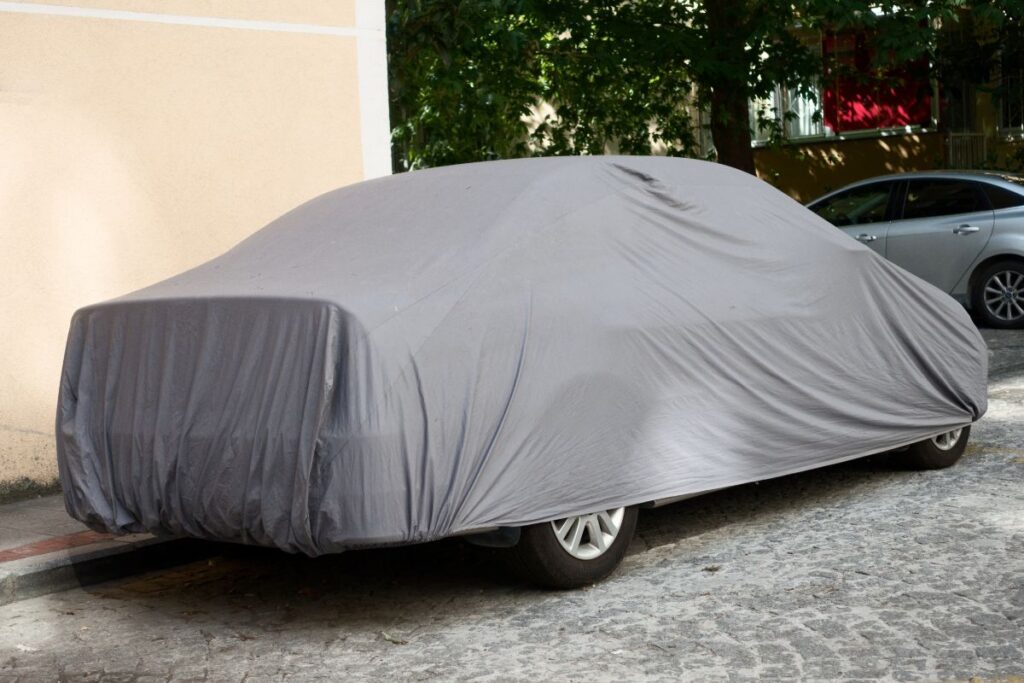
Polyester covers represent the most budget-friendly option in the market. This lightweight synthetic material provides basic protection against dust and light rain, making it suitable for occasional outdoor use or regular indoor protection.
The affordability of polyester makes it an accessible starting point for vehicle protection, though its water resistance and durability typically don’t match more premium materials. Many entry-level covers utilize polyester as their primary component, sometimes with additional treatments to enhance performance.
Polypropylene
Polypropylene covers offer improved water resistance compared to basic polyester while maintaining excellent indoor dust protection. This synthetic material provides a good balance between affordability and functionality for vehicles experiencing moderate outdoor exposure.
The natural water-repelling properties of polypropylene make it particularly effective in humid environments where moisture control is essential. These covers resist mildew growth better than many alternatives while remaining lightweight enough for easy application and removal.
Cotton
Cotton covers excel in breathability and gentle surface contact, making them ideal for indoor use or for protecting vehicles with delicate finishes. The natural fibers allow air circulation while offering inherent UV-resistant properties to protect against light exposure.
The soft texture of cotton minimizes the risk of scratching painted surfaces, even with repeated application and removal. Many premium indoor covers utilize cotton as their primary material, sometimes blended with synthetic fibers to enhance durability and performance.
Nylon
For vehicles facing harsh weather conditions, nylon covers deliver exceptional durability and protection. This robust synthetic material stands up to heavy snow, prolonged rain exposure, and other challenging environmental factors while maintaining structural integrity.
The strength-to-weight ratio of nylon makes it particularly effective for outdoor protection without becoming excessively bulky or difficult to handle. High-end outdoor covers often incorporate nylon components in critical areas to enhance overall durability and longevity.
Critical Features That Determine Cover Quality
Waterproofing
Effective waterproofing represents one of the most crucial aspects of any outdoor car cover. Premium covers utilize materials like vinyl or PVC in their construction to create impermeable barriers against moisture. The best waterproof covers also feature sealed or taped seams to prevent water intrusion at vulnerable connection points.
Beyond the material itself, the waterproofing technology must maintain effectiveness through repeated exposure to rain and washing. Quality covers balance water resistance with breathability to prevent moisture from becoming trapped beneath the cover, which could potentially cause more damage than exposure.
Breathability
Despite the importance of keeping water out, a completely sealed cover can create damaging condensation underneath. Proper breathability allows trapped moisture to escape, preventing mold and mildew growth that can damage your vehicle’s finish and interior.
Advanced covers achieve this balance through micro-porous materials that block liquid water while allowing water vapor to pass through. This technology prevents both external water penetration and internal moisture accumulation, providing comprehensive protection for your vehicle.
UV Protection
The sun’s ultraviolet rays cause significant damage to vehicle exteriors over time, including paint fading, dashboard cracking, and rubber deterioration. High-quality covers incorporate UV-resistant treatments or materials that block these harmful rays from reaching your vehicle’s surfaces.
The level of UV protection varies between covers, with premium outdoor options offering significantly higher ratings. This feature becomes particularly important for vehicles stored in sunny locations or those with paint finishes susceptible to UV damage.
Secure Fit
Even the most protective materials provide little benefit if the cover blows off or shifts during use. Features like elastic hems, tie-down grommets, and integrated straps significantly improve wind resistance and ensure the cover stays properly positioned on your vehicle.
The securing system should be robust enough to withstand strong winds while remaining user-friendly for installation and removal. Some advanced covers include cable lock systems that not only secure the cover but also provide theft deterrence for both the cover and potentially the vehicle.
Soft Inner Lining
Direct contact between the cover and your vehicle’s finish presents potential scratching hazards, particularly with repeated application and removal. Quality covers feature soft inner linings specifically designed to contact painted surfaces without causing abrasion damage.
Materials like flannel, fleece, or soft cotton provide gentle protection while still allowing the outer layers to perform their protective functions. This consideration becomes particularly important for vehicles with premium paint finishes or collector cars where maintaining pristine condition is essential.
Finding Your Perfect Fit
Standard Size Covers
Standard size covers offer convenience and affordability through predetermined dimensions that accommodate common vehicle sizes. These covers typically come in categories like “sedan,” “SUV,” or “truck,” providing reasonable coverage for vehicles within those general classifications.
While not providing the precise fit of custom options, quality standard covers still include features like elastic corners and adjustable straps to improve conformity to your vehicle’s shape. These covers represent an excellent starting point for those seeking basic protection without significant investment.
Contour-Fit Covers
Contour-fit covers bridge the gap between universal and custom options by using stretchy, adaptable materials that conform more closely to vehicle shapes. These semi-custom solutions provide better protection than standard covers while maintaining greater affordability than fully customized alternatives.
The elastic properties of contour-fit covers allow them to hug your vehicle’s contours more precisely, reducing loose material that could collect water or flap in the wind. Many manufacturers offer contour-fit options for specific vehicle categories with adjustable features to fine-tune the fit.
Custom-Fit Covers
For maximum protection, custom-fit covers are tailored precisely to your vehicle’s specific dimensions. These covers follow the exact contours of your make and model, providing optimal coverage and protection against environmental threats.
The perfect fit eliminates excess material and ensures complete coverage of all vulnerable areas. While representing the highest investment level among cover options, custom-fit covers deliver unmatched protection efficiency and typically offer the longest service life due to their precise engineering.
Matching Your Cover to Your Environment
Humid Areas
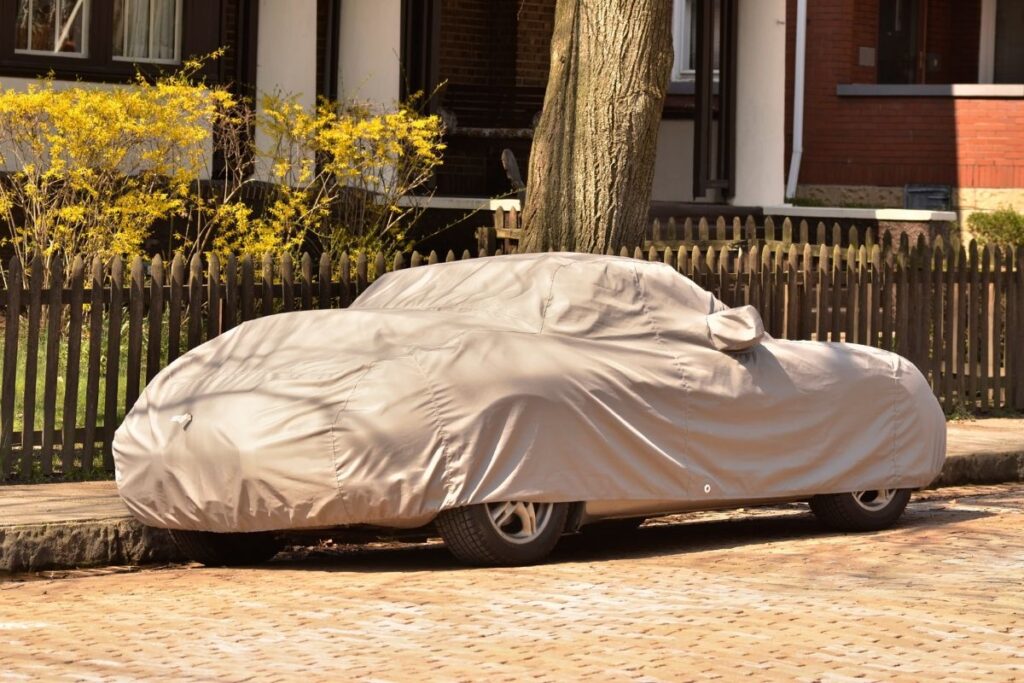
Vehicles stored in humid climates face unique challenges from moisture accumulation. In these environments, breathable fabrics become essential to prevent trapped moisture that could lead to mold and mildew growth underneath the cover.
Covers designed for humid conditions feature enhanced vapor permeability while maintaining water resistance from external sources. Materials like breathable polyester blends or treated cotton provide optimal performance in high-humidity environments by allowing air circulation while keeping rain at bay.
Rain/Snow Areas
Regions experiencing heavy precipitation require covers with exceptional waterproofing capabilities. In these areas, covers with sealed seams and multiple waterproof layers provide critical protection against moisture intrusion.
Beyond simple water resistance, covers for heavy precipitation should include features that prevent pooling, such as a tailored fit and water-shedding design elements. For snowy regions, the cover material must also withstand the weight of snow accumulation without tearing or stretching permanently.
Sunny Regions
Vehicles in sun-intensive environments require covers with superior UV protection to prevent paint fading, dashboard cracking, and interior deterioration. Covers designed for sunny climates incorporate specialized UV-resistant treatments or materials that block harmful rays.
Beyond UV protection, covers for hot climates should feature light-colored outer surfaces to reflect heat and breathable construction to prevent heat buildup underneath. This combination keeps interior temperatures lower and prevents damage from thermal cycling.
Additional Tips for Car Cover Success
Storage Solutions
Many quality covers include dedicated storage bags that protect the cover when not in use. Proper storage prevents damage to the cover itself and ensures it remains clean and ready for application when needed.
Compact storage solutions make it practical to keep your cover in the vehicle, enabling protection even in unexpected circumstances. Covers with integrated storage systems typically fold into specific patterns that minimize space requirements while preventing damage to fasteners or specialized components.
Ease of Use Considerations
The practical value of any car cover depends significantly on how easily it can be applied and removed. Lightweight materials reduce handling difficulty, while thoughtfully designed straps and fasteners simplify the installation process.
Covers designed for frequent use often include color-coded markers or labels indicating front and rear orientation, further streamlining application. The ease-of-use factor becomes particularly important for daily drivers where the cover may be applied and removed frequently.
Usage Frequency Planning
Your typical usage pattern should influence your cover selection. For vehicles requiring daily protection, lightweight covers with simple securing systems make the frequent application process more manageable and less time-consuming.
Conversely, vehicles in long-term storage benefit from heavier multi-layer protection that may be less convenient to install but provides superior defense against extended exposure. Matching your cover’s characteristics to your usage frequency ensures optimal protection without unnecessary complexity or cost.
Your Car Cover Investment Guide
Selecting the right car cover is ultimately about understanding your specific needs and environment. The perfect cover from Covers & All will protect your vehicle’s finish, prevent unnecessary wear, and maintain its value for years to come. Remember that quality matters—a premium cover might cost more initially but will deliver superior protection and last significantly longer than budget alternatives. With the right choice, you’ll enjoy peace of mind knowing your vehicle is protected against whatever elements it faces.
Leave a Reply