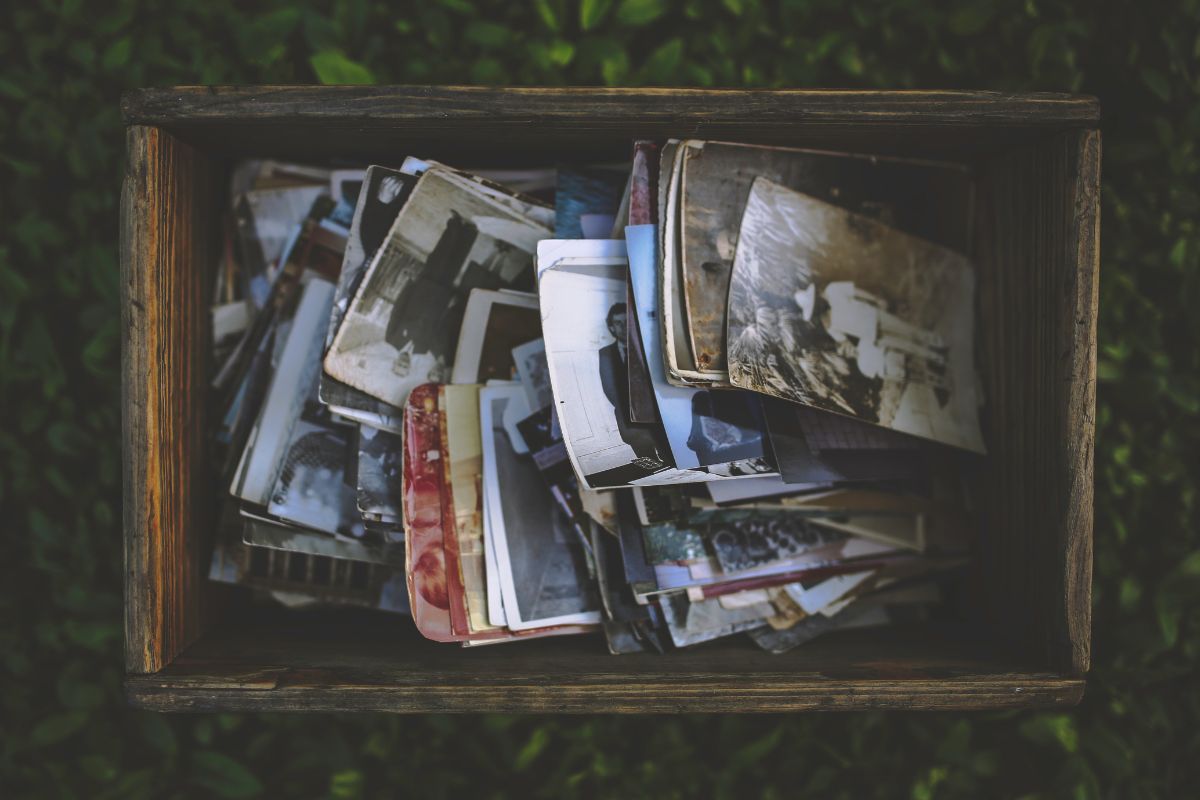
Family keepsakes tell stories that words alone cannot express. That faded photograph of your great-grandmother, your grandfather’s war medals, or those handwritten recipe cards passed down through generations—each item contains fragments of your family’s unique journey. According to recent surveys, over 67% of Americans regret not documenting their family history before it was too late. Ancestry’s Memory Preservation Service offers a powerful solution, but knowing how to properly prepare your treasured items makes all the difference in preserving their legacy. I’ve helped hundreds of families prepare their heirlooms, and I’m sharing everything you need to know to ensure your family’s story lives on.
Gathering and Assessing Your Keepsakes
Family treasures come in many forms—from sepia-toned photographs to handwritten letters that capture moments in time. The first step in preservation is identifying which items truly matter. Photographs documenting family milestones, correspondence between relatives, legal documents like birth certificates, and three-dimensional heirlooms all deserve consideration.
When evaluating your collection, look beyond obvious valuables to everyday items that offer historical context. That well-worn recipe card in grandmother’s handwriting or a simple tailor’s receipt might provide invaluable insights into your family’s story. Fragile or deteriorating items should top your priority list, as they require immediate attention before further damage occurs.
During your initial assessment, handle each item with care. Examine them in natural, indirect light to accurately spot damage such as fading, yellowing, tears, or mold. For photographs, check for curling edges and discoloration. Paper documents might show water damage or insect activity, while textiles often reveal fraying or staining. Document each item’s current condition before proceeding—this baseline assessment proves invaluable for tracking changes over time.
Organizing Your Collection for Preservation
A systematic approach to organization turns a random assortment of keepsakes into a cohesive family archive. Create a simple inventory system assigning unique identifiers to each item, then group them logically—by family branch, decade, or item type. This structured approach allows you to see connections and identify gaps in your family narrative.
Establish chronological order whenever possible, as this helps tell a more coherent story. Record all known information about each item, including names, dates, locations, and associated stories. This contextual information transforms isolated objects into meaningful historical artifacts.
When developing a naming convention for digital files, consistency is key. A format like “Year_Person_Event” (e.g., “1942_GrandpaJoe_NavyEnlistment”) makes files easily searchable and understandable at a glance. This organizational groundwork significantly simplifies the subsequent stages of your preservation journey.
Proper Handling Techniques for Delicate Items
The oils and acids in our skin pose real threats to fragile keepsakes. Always wash and thoroughly dry your hands before handling items, and consider cotton or nitrile gloves for particularly delicate photographs and documents. Hold photos by their edges to prevent fingerprints on the image surface.
Always provide full support when moving documents to prevent bending or tearing. Work in a clean, clear space away from potential hazards like food, drinks, and household contaminants. If items have accumulated surface dust, a soft brush can be used for gentle removal.
Avoid common damaging practices like using regular tape, staples, or paper clips on original items. These seemingly harmless office supplies can cause permanent damage through chemical reactions or physical stress. Instead, invest in archival-quality supplies specifically designed for preservation.
Digitizing Your Keepsakes at Home
Creating digital copies of your keepsakes offers both preservation and sharing advantages. For optimal results, select a high-quality scanner capable of at least 300 DPI resolution. Photographs benefit from scanning at 600 DPI or higher, allowing for future enlargements without losing clarity.
For bound items or extremely fragile pieces that shouldn’t be bent, use a flatbed scanner rather than one with an automatic document feeder. Three-dimensional objects that can’t be scanned effectively might require photography with a DSLR camera and proper lighting setup.
Save your digital files in multiple formats—TIFF for archival purposes and JPEG for sharing. Implement your established naming convention consistently across all files. Most importantly, back up your digital archives to multiple locations, including external hard drives and cloud storage services, to protect against potential data loss.
Uploading to Ancestry’s Memory Preservation Service
Ancestry’s Memory Preservation Service provides a specialized platform for storing and sharing your digitized keepsakes. After logging into your Ancestry account, navigate to the “Memories” section of your dashboard. The upload process is straightforward—select “Add” and choose the files you wish to preserve.
The true power of this service emerges when you tag people in photos and connect items to your family tree. This integration creates a rich, interconnected archive where documents and images directly link to the individuals they feature. Add detailed descriptions including dates, locations, and associated stories to maximize the historical value of each item.
To maintain organization within your digital collection, create themed albums based on family branches, time periods, or significant events. Consider your privacy preferences carefully—Ancestry allows you to control who can view your uploaded memories, so you can share selectively with specific family members or make items publicly viewable.
Archival Storage Solutions for Original Items
While digital preservation offers many advantages, proper storage of original items remains essential. Invest in acid-free, lignin-free storage boxes and folders, which typically cost $15-30 per box. These materials don’t emit harmful chemicals that accelerate deterioration.
Different item types require specific storage approaches. Store photographs in archival photo sleeves or enclosures to prevent direct handling. Keep documents flat in acid-free folders within archival boxes rather than folding them. Textiles should be wrapped in acid-free tissue paper and protected from direct light exposure.
Environmental conditions significantly impact preservation success. Maintain stable temperature (65-70°F) and humidity (40-50%) levels. Avoid storing precious keepsakes in attics, basements, or garages where conditions fluctuate dramatically. For particularly special items, consider Ancestry’s Personalized Memory Box ($86), which provides both protection and display capabilities.
Creating Meaningful Context for Your Collection
Physical preservation alone captures only part of your family’s legacy. The stories behind the items often matter most. Record oral histories from living relatives to document the significance of each keepsake. These firsthand accounts add emotional depth and historical context that might otherwise be lost.
Link items to specific individuals in your Ancestry family tree to demonstrate connections across generations. Create timelines placing keepsakes in broader historical context—understanding that a wedding photo coincided with World War II or a birth announcement occurred during the Great Depression adds meaningful dimension.
Don’t overlook intangible heritage like family recipes, traditions, and cultural practices. Ancestry’s Family Ancestry Scrapbook Kit ($8) offers templates for documenting these aspects of family history. For comprehensive preservation, consider creating a formal family history book using Ancestry’s Book Template ($12), which provides professional-looking layouts for both digital and printed sharing.
Sharing Your Preserved Memories with Family

The ultimate purpose of preservation is sharing your family’s legacy. Ancestry’s platform makes this simple through built-in sharing features that grant specific family members access to your digital archive. For relatives who prefer physical items, create high-quality copies of important documents and photographs for distribution.
Consider hosting a family gathering dedicated to exploring the preserved collection. Such events often prompt relatives to share additional information and stories, enriching your archive further. Use these occasions to educate younger generations about their heritage and the significance of family artifacts.
Establish a regular schedule for updating and expanding your digital archive as new information emerges or additional items are discovered. Think ahead about long-term custodianship of both digital and physical archives—who will maintain these treasures for future generations? Creating this continuity plan ensures your preservation efforts continue to benefit your family for decades to come.
Preserving Your Family Legacy
The journey of preserving your family keepsakes isn’t just about protecting physical items—it’s about safeguarding your family’s unique story. By properly preparing your memorabilia for Ancestry’s Memory Preservation Service, you’re creating a bridge between generations past and those yet to come. Your careful preparation today ensures that future family members will have access to authentic, well-preserved glimpses into their heritage. Remember that preservation is an ongoing process—continue to document new memories and encourage other family members to contribute to this living archive. Your family’s story deserves to be remembered.
Leave a Reply