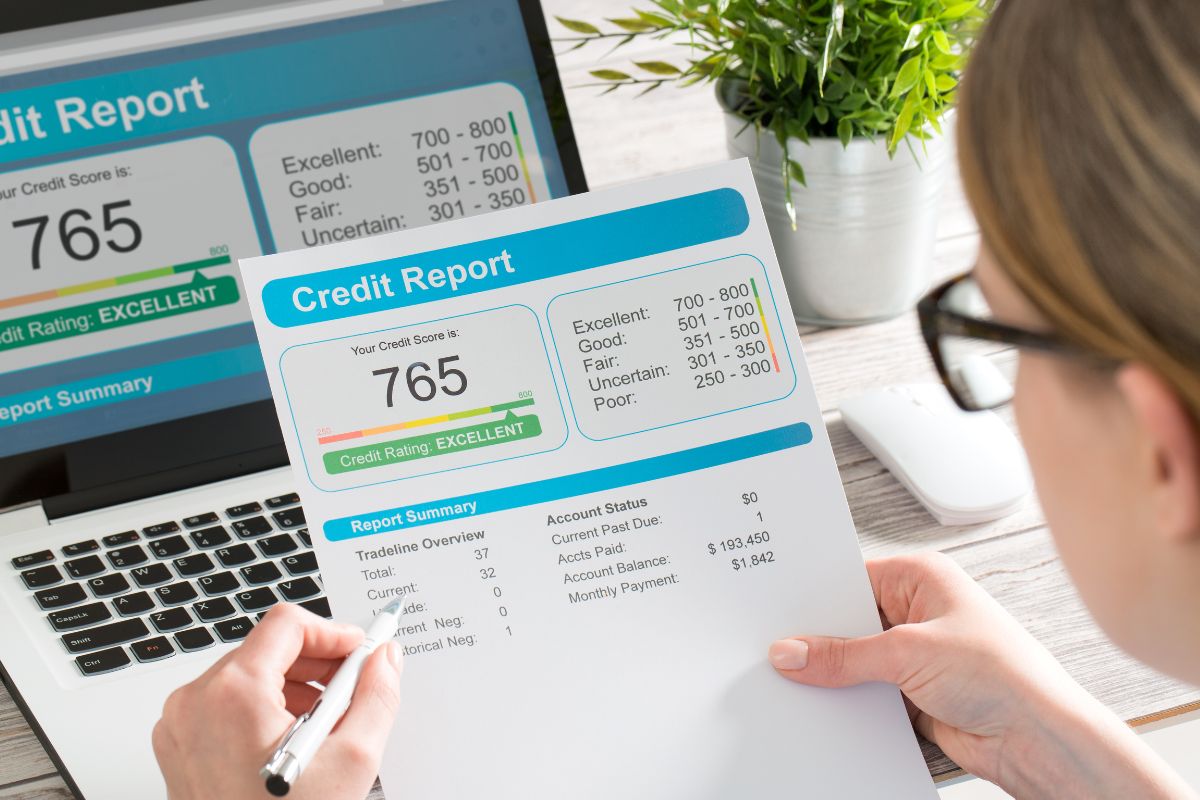
Did you know that 34% of Americans have found errors on their credit reports that could impact their credit scores? I’ve spent years helping people understand these crucial financial tools, and the confusion between credit reports and scores remains one of the most common issues. As someone who’s seen firsthand how this knowledge can transform financial futures, I’ll break down exactly what sets these two important measures apart.
The Anatomy of a Credit Report
Credit reports serve as detailed financial biographies, documenting every aspect of your credit interactions. Your personal information forms the foundation, including your name, address, Social Security number, and birth date. This verification ensures accurate record-keeping across all credit activities.
Credit bureaus – Equifax, Experian, and TransUnion – maintain comprehensive records of your credit accounts. These accounts encompass credit cards, mortgages, auto loans, and personal loans. Each entry details payment histories, credit limits, current balances, and account statuses.
Public records significantly impact your credit report. Bankruptcies remain visible for up to 10 years, while tax liens and civil judgments may appear for seven years. These entries carry substantial weight in lending decisions and require careful monitoring for accuracy.
Credit bureaus receive regular updates from creditors about account activities. This information flows continuously, creating a dynamic record that reflects your current financial behavior. Federal law guarantees your right to access these reports once annually from each bureau at no cost.
Breaking Down Credit Scores
FICO scores range from 300 to 850, with higher numbers indicating better creditworthiness. Scores above 740 typically qualify as excellent, while those below 580 may face significant lending restrictions. These numbers directly influence interest rates and credit availability.
The five primary factors shaping your credit score are:
- Payment history (35%)
- Credit utilization (30%)
- Length of credit history (15%)
- Credit mix (10%)
- New credit inquiries (10%)
Various scoring models exist for different lending purposes. Auto lenders might use specialized scores that emphasize car loan history, while credit card issuers focus on revolving credit behavior. These models adapt to specific industry needs while maintaining the core FICO framework.
Your credit score can fluctuate frequently based on reported activities. Changes in credit utilization, new accounts, or payment patterns can cause immediate score adjustments. These movements reflect the dynamic nature of credit assessment.
Critical Distinctions Between Reports and Scores
Credit reports provide extensive documentation of your financial history, while credit scores distill this information into a single number. This fundamental difference affects how lenders evaluate creditworthiness. Reports offer context and patterns; scores deliver quick risk assessments.
Reports contain detailed records spanning years, including account histories, payment patterns, and public records. Scores synthesize this data through algorithmic analysis, creating a standardized measure for quick comparisons.
Lenders typically review both elements when making decisions. Major loans like mortgages warrant deep report analysis, while smaller credit lines might rely primarily on scores. Understanding these distinct roles helps optimize credit applications.
Professional Credit Monitoring Solutions
ClickFreeScore.com delivers three-bureau credit monitoring, providing comprehensive oversight of your financial profile. Their service tracks changes across Equifax, Experian, and TransUnion reports, ensuring complete coverage of your credit status.
The platform’s alert system notifies users about significant changes, potential fraud, and important credit events. These real-time updates enable swift responses to unauthorized activities or reporting errors.
A $1 seven-day trial offers full access to the service’s features, allowing users to evaluate the monitoring tools firsthand. During this period, members can access credit scores, reports, and educational resources designed to enhance financial literacy.
Taking Control of Your Credit Future
Your financial health depends on understanding both your credit report and score. With services like ClickFreeScore.com, you can access comprehensive monitoring tools and educational resources to maintain optimal credit health. Start your journey toward better credit management with their $1 7-day trial, and take advantage of their round-the-clock monitoring services to protect your financial future.
Leave a Reply